
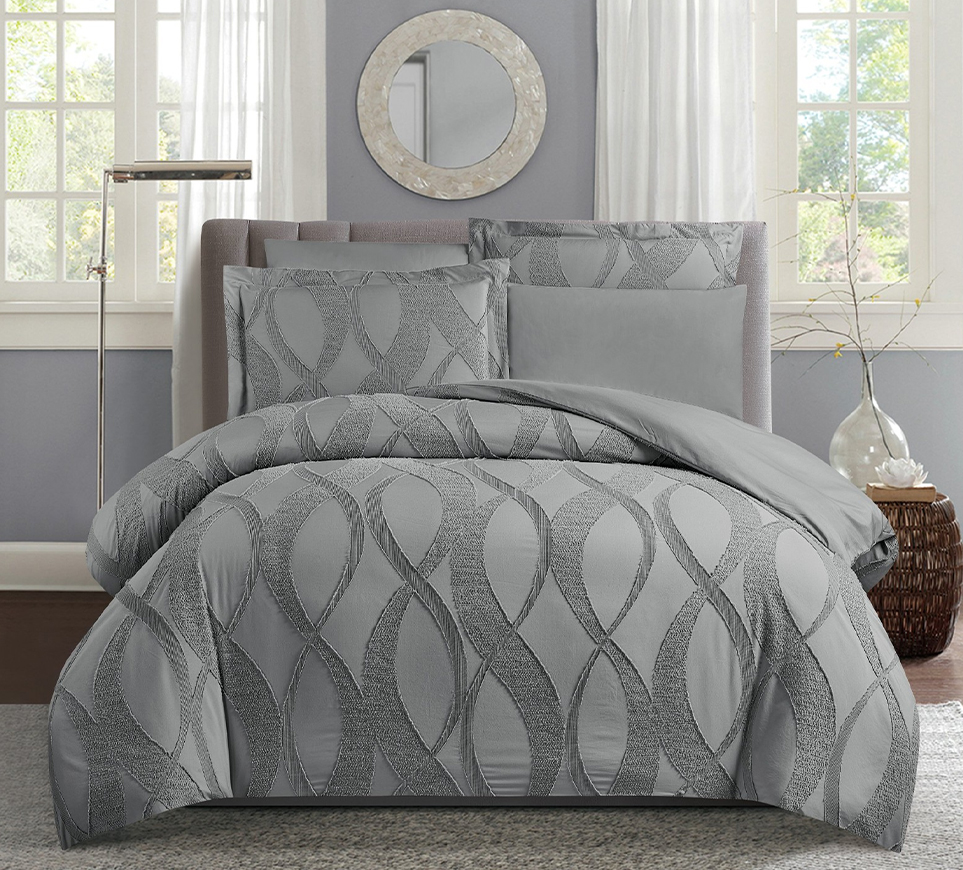
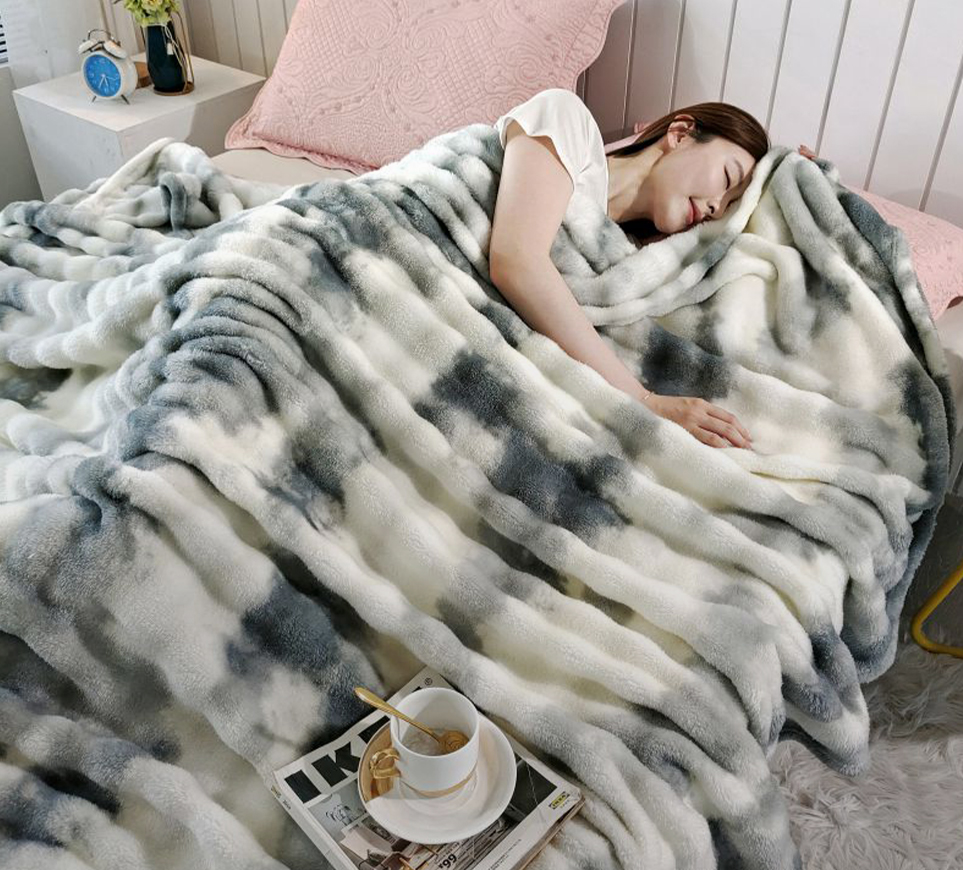
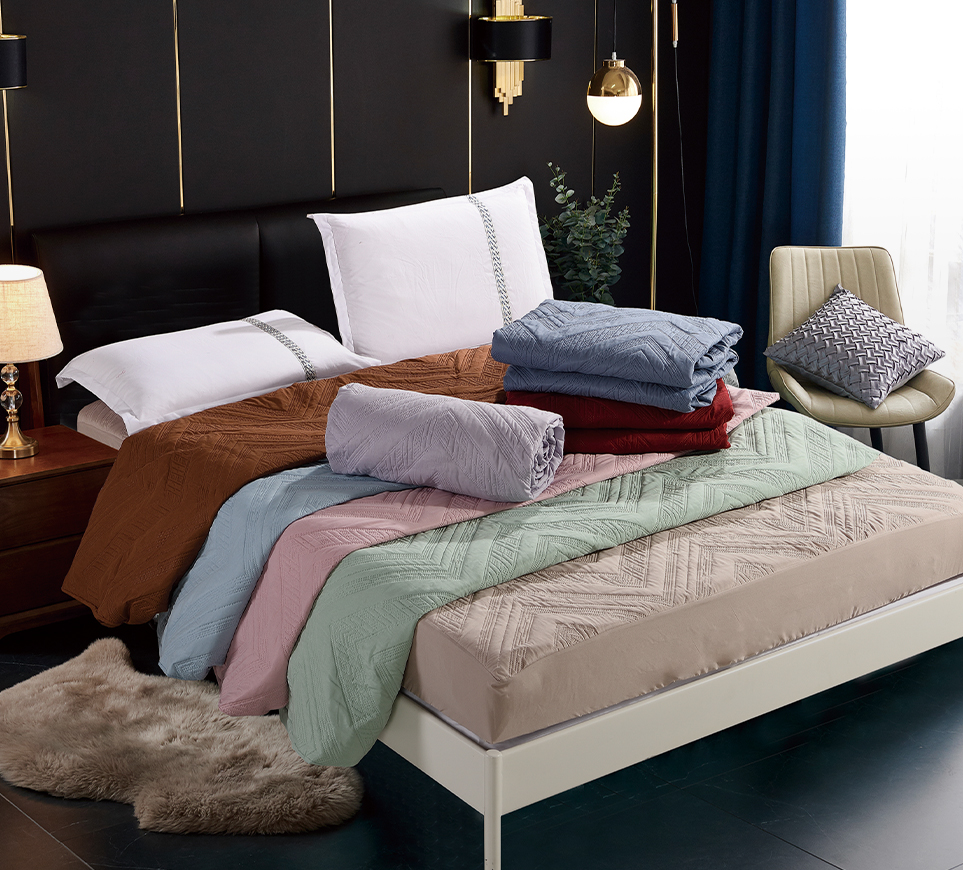
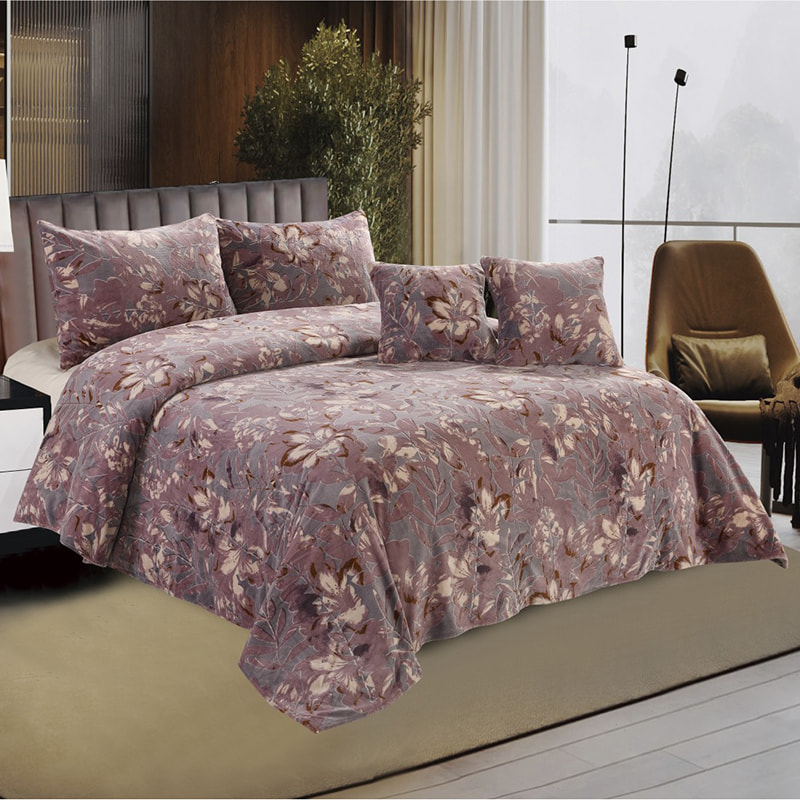
İşlev Hızlı kuru ve bakımı kolay: Büzülmesi kolay değil, ütüleme ve kırışıklık karşıtı, makine yıkamasından sonra hızlı kurutma. Dayanıklı ve solmaya dayanıklı: Güçlü aşınma direnci, yük...
Detaylara bakınNeden Bizi Seçmelisiniz?
2008 yılında, 3.000m² profesyonel fabrika, 50'den fazla çalışan ve 5 departman yöneticisi ile kuruldu.

Çin'den geliyor, dünyaya pazarlama.

Wholesale Duvet Cover Sourcing Guide: Fabric Weight, Sizing and Order Planning
Nov 23, 2026
Two duvet cover samples arrive in the same carton, both described as soft printed cotton in queen size. One comes out of the wash crisp and still square at the corners; the other pills along the closure line and shrinks nearly three centimetres across the width. The difference is almost never the description on the label. It sits in yarn count, fabric weight, shrinkage allowance, the quality of the zipper tape and whether anyone checked the cut panels against a shrinkage test before bulk production started. For a buyer, the duvet cover is the largest single fabric surface in a bedding set, the most visible printed area in a retail display, and the piece that takes the hardest handling in laundering. It deserves its own specification sheet rather than one line inside a set list. This guide walks through what to confirm before placing a duvet cover order: fabric weight, sizing tolerances, closure choices, hotel requirements, sampling, cost structure and the practical questions that separate a smooth programme from a costly rework.
What a Duvet Cover Does Before You Talk About Fabric
A duvet cover is a removable fabric shell. It holds a filled insert, protects that insert from skin oils, sweat and dust, and gives the bed its visible surface. Structurally it is simple: a front panel, a back panel, an opening along one edge, and usually four internal corner ties that anchor the insert so it does not slide down inside the shell overnight. That simplicity is misleading, because the cover is a two-panel construction, which means it consumes roughly twice the fabric of a flat sheet of the same width.
Terminology also causes confusion in cross-border orders. North American buyers say duvet cover; UK, Australian and much of the European trade say quilt cover. Some catalogues use the two terms for the same item, while others reserve quilt cover for a lighter, decorative shell. In our own product structure, covers sit alongside comforter sets and quilted bedcover sets, and the difference matters at the point of quotation because a quilted or tufted cover carries an extra layer and a bonding or stitching operation that a plain printed cover does not.
Functionally, a cover also decides how the whole bed reads. The front panel is what a customer sees in a photograph. The back panel is often a cheaper solid fabric, which is why the same print can be quoted at two very different prices depending on whether the back is matched to the front or substituted with a plain 90 gsm polyester. Neither choice is wrong, but the buyer needs to know which one is being quoted.
Because a duvet cover is cut from two panels plus an opening and ties, fabric weight and print placement affect its cost far more than they affect a flat sheet.
Fabric Options That Decide the Rest of the Specification
Once the size is fixed, fabric decides everything downstream: hand feel, drape, print method, wash behaviour, packing volume and price. Most sourcing conversations move faster when the buyer starts from four questions. Is the market buying on price or on touch? Will the cover be washed weekly in a hotel or fortnightly at home? Does the print need to be photographic, or is a woven or stitched texture acceptable? And what climate is the product selling into?
The table below sets out the constructions we most often quote, with the details that actually change a decision.
| Fabric | Typical spec | Hand feel and drape | Care reality | Where it fits |
|---|---|---|---|---|
| Polyester microfiber | 90 gsm, 235 cm or 250 cm width | Light, smooth, sharp print detail | Low shrinkage, quick dry, prints stay bright | Promotional sets, high-volume entry price points |
| Polyester microfiber | 130 gsm | More body, softer fall over the mattress edge | Low shrinkage, resistant to creasing | Mid-tier retail and online private label |
| Polyester, heavier base | 160 gsm, 250 cm width | Denser and more substantial in the hand | Better resistance to pilling and deformation | Rental apartments, serviced accommodation, heavy domestic use |
| Pure cotton plain weave | 12868 construction | Dry, breathable, classic crispness | Shrinks without allowance; softens with washing | Everyday domestic programmes in warm markets |
| Pure cotton denser weave | 13372 construction | Smoother surface, better print definition | Needs a 3 to 5 percent shrinkage allowance | Mid to upper retail, better hotel room stock |
| Cotton sateen | Hotel grade sateen weave | Soft lustre, heavier drape | Holds colour well when dyed to standard | Hotel and hospitality specification |
| Tencel | 50s or 60s yarn count | Cool, fluid, silky against skin | Gentle wash cycle advised; lower heat drying | Premium domestic, humid climates, gifting |
| Milk velvet or brushed fleece | Brushed pile face | Warm, dense, cosy in the hand | Pile needs brushing care; heavier packing volume | Winter programmes and cold-climate retail |
Tencel deserves a separate note because it behaves differently from cotton in the sample room. A 60s tencel yarn is finer than a 50s yarn, so the fabric feels silkier and drapes more, but a very fine yarn in a light construction is less forgiving in industrial laundry. For domestic retail, that trade is usually worth making. For contract work, it is usually not.
Where a buyer wants a version that sits between a plain printed shell and a decorative top of bed, our 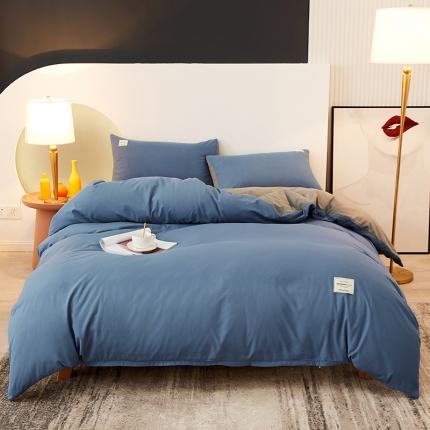 Cozy Soft Elegance Quilt Cover SetA decorative protective quilt cover set with durable, breathable fabric and secure closures, useful when comparing construction and finish.View Product → is a useful starting reference for construction and finish.
Choose the fabric weight first and the print second; a heavy print on a 90 gsm base is still a 90 gsm product in the customer's hands.
Where the Money Goes in a Duvet Cover Quote
Two suppliers can quote the same size and the same print with a gap of fifteen percent, and the explanation is usually visible once the cost is broken down by operation rather than by product. The chart below shows an indicative split for a printed polyester duvet cover programme in the mid-weight range.
Indicative cost split, printed duvet cover order
Base fabric
40-45%
Printing and dyeing
15-18%
Cut and sew
18-20%
Trims and closure
5-6%
Packaging
6-8%
Sampling and QC
5-7%
The pattern explains most price arguments. Fabric is the largest line, so a move from 90 gsm to 160 gsm changes the total more than any negotiation over sewing. Printing is the second lever, and it scales with the number of colours, the width of the repeat and whether the mill runs a reactive process on cotton or a disperse process on polyester. Cut and sew looks small per unit but punishes small orders, because the table time to set up a cover line is the same whether the run is 300 pieces or 3,000.
Trims are where buyers often save a few cents and later pay for it. A hidden nylon coil zipper with a folded tape costs more than a narrow envelope flap, but it reduces the risk of an opening that gapes after ten washes. Packaging is a real cost in covers because a queen cover with ties folds to a bulky bundle unless it is compressed or vacuum packed. Sampling and QC are small percentages of the whole and the easiest line to cut, which is precisely why it is the line most often cut by suppliers who then ship the consequences to the buyer.
When a quote looks unusually low, ask which of these six blocks has been reduced. The answer is normally fabric weight, print method or inspection time, and all three appear in the customer's first wash rather than in the invoice.
A price difference between two duvet cover quotes is almost always a specification difference, so compare the cost blocks rather than the totals.
Reading GSM, Thread Count and Yarn Count Without Being Misled
Three numbers appear on almost every duvet cover specification sheet, and each one measures something different. Understanding them separately prevents most of the confusion in sampling.
GSM measures weight per square metre
GSM tells you how much fabric mass sits in a square metre. In polyester bedding, 90 gsm and 130 gsm are the two workhorses, with 160 gsm used where a denser, more substantial hand is wanted. Heavier does not automatically mean better, because a dense fabric can feel stiff on a summer bed, but it does usually mean better resistance to pilling and deformation over repeated washing. A 160 gsm polyester at 250 cm width behaves noticeably differently from a 90 gsm base at 235 cm, and the difference shows up in how the cover falls over the sides of the mattress.
Thread count is a density figure, not a quality guarantee
Constructions such as 12868 and 13372 describe warp and weft density per inch on a woven cotton. They are useful shorthand inside the trade, but they are not the same as the inflated thread counts printed on some retail packaging, which are sometimes calculated by counting plies rather than threads. Two covers labelled 300 thread count can feel completely different if one uses finer yarn at lower density and the other uses coarser yarn packed tightly.
Yarn count runs in the opposite direction
For tencel and cotton, 50s and 60s refer to yarn fineness: a 60s yarn is finer than a 50s yarn. Finer yarn gives a smoother, silkier surface and better drape, but it also needs a sounder weave to hold up. A 60s tencel cover is a premium domestic product; a 50s version is more forgiving and travels better through commercial laundry.
The practical rule is to pair a weight figure with a yarn figure before judging a sample. A 130 gsm polyester with a fine filament yarn feels very different from a 130 gsm polyester built on a coarser base, even though the spec sheet reads the same.
GSM, thread count and yarn count answer three different questions, so read them together and never treat any single number as a quality verdict.
Closures, Corner Ties and Stitching: The Details That Decide Returns
Most duvet covers that come back to a retailer are not returned because of the print. They come back because the opening gapes, the zipper pull detaches, the corner ties tear out of the seam, or the cover no longer fits the insert after three washes. These are small component decisions with a large effect on return rates.
Opening types
- Hidden zipper: the most popular option for retail because the bed looks clean and the insert stays enclosed. A nylon coil zipper in a folded tape, with the slider tucked into a small guard, is the version that survives domestic washing best.
- Button placket: traditional, easy to repair, but slower to sew and prone to a missing button after repeated use.
- Envelope flap: the cheapest option and the most common on entry-price sets. It is acceptable for lightweight inserts, but a heavy winter duvet will push the flap open.
Corner ties and internal anchors
Four ties of 15 to 20 cm, sewn into the seam allowance rather than surface-stitched onto the finished panel, are the minimum for a cover that will be used with a heavy insert. A tie attached with a few bartacks on the face of the fabric is a common cost shortcut and a common failure point.
Seam and stitch quality
Look for a consistent 10 to 12 stitches per inch on main seams, overlocked or French-finished edges inside the cover, and reinforced bartacks at the top of the opening. On printed covers, check that the seam allowance has not been trimmed so tightly that the print sits on the very edge of the join, which frays faster in washing.
None of these points adds much to a unit cost, and together they account for a large share of the difference between a cover that survives twenty washes and one that survives six.
Specify the closure, the tie attachment method and the seam finish in writing; these three details drive more returns than print quality does.
Sizing: Confirm the Market's Dimensions Before Cutting
Duvet cover sizing is not standardised across markets, and the gap between a US queen and a European 200 by 200 cm is enough to make an insert bunch at one end. Confirm the target dimensions in writing, including whether the figure refers to the finished sewn size or the flat cut size, because the two differ after washing.
- United States: twin, full, queen and king, with queen commonly quoted near 224 by 234 cm including a small allowance
- United Kingdom: single, double, king and super king, with double often specified at 200 by 200 cm
- Europe: 135 by 200 cm, 155 by 220 cm, 200 by 200 cm and 220 by 240 cm as the common retail set
- Australia and New Zealand: queen and king formats that differ from both the US and the UK
- Hospitality: often a house size set by the bed specification rather than a retail standard
Two allowances sit behind every reliable size. The first is shrinkage: cotton plain weave can move 3 to 5 percent in length after the first industrial wash, while polyester typically stays under 2 percent. The second is sewing tolerance: plus or minus 2 cm on a finished cover is a workable commercial figure, provided the pre-shrunk cut size was calculated to land inside that band after washing. A supplier who quotes a flat cut size without stating the shrinkage allowance is handing the risk to the buyer.
Print placement carries its own tolerance. On a large floral repeat, a 3 percent shift across a queen panel is visible when two covers are folded side by side on a shelf, which matters in retail even if it does not matter on a bed.
Always state finished size after wash plus the shrinkage allowance; a cut size without a shrinkage figure is not a specification.
Printing, Jacquard, Tufting and Quilting: Choosing the Decoration Route
Decoration changes both the look and the production route, and each option carries its own constraints on repeat size, minimum order and hand feel.
Digital printing
Digital print suits photographic florals, gradient patterns and short-run design changes, and it is the route behind most of the printed covers in our own range at 90 gsm and 130 gsm. It handles many colours without a screen setup cost, which makes it practical for buyers testing four or five designs in one season. The limitation is that very dark, saturated grounds can feel stiffer and may show a slight difference in hand compared with a light print on the same base.
Reactive printing on cotton
Reactive dye bonds to cotton rather than sitting on the surface, which gives better colour retention through washing. It costs more per metre and requires longer runs to be economic, so it normally appears in cotton programmes rather than polyester ones.
Jacquard
Jacquard weaves the pattern into the cloth instead of printing it. The result is a textured surface that reads as more premium and does not crack or fade in the way a surface print can. Minimums are higher and design changes are slower, so jacquard suits a buyer committing to a design for a full season or more.
Where a buyer wants a cover with more surface interest than a flat print, a 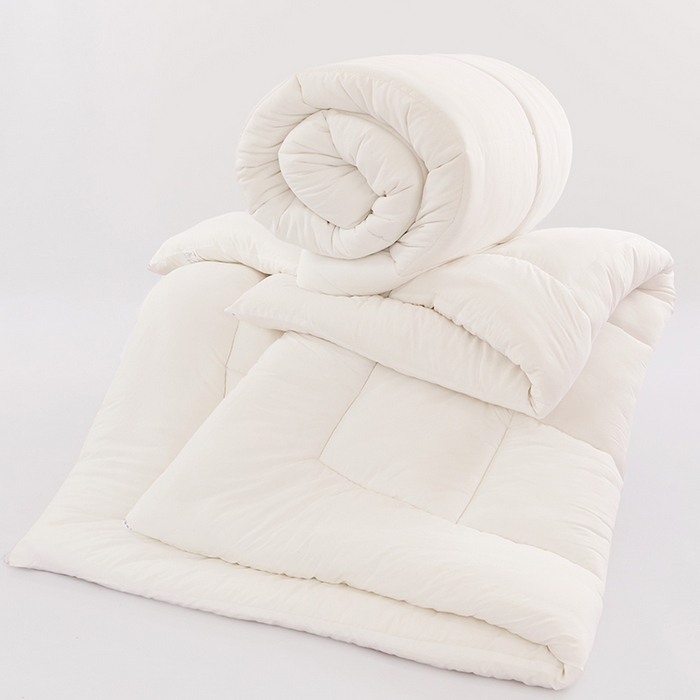 Soft Cozy Touch Quilt Cover SetA soft-touch protective quilt cover set with breathable fabric and secure closures, offering added surface interest beyond a flat print.View Product → shows how a soft touch finish changes the perceived value without changing the base size.
Tufting, quilting and ultrasonic bonding
These routes add a third layer or a stitched surface. Quilting gives a classic hand and good structure but adds weight and packing volume. Ultrasonic bonding creates a quilted look without thread, which speeds production and removes the risk of thread breaks, though the bonded pattern is less reversible than a stitched one. Tufting sits at the decorative end and is best treated as a fashion item rather than a high-turnover basic.
Match the decoration route to the order size and the season length, because jacquard and tufting reward commitment and punish late design changes.
Hotel Duvet Covers Ask Different Questions
A hotel duvet cover is not a domestic cover with a higher price. It is a product designed around commercial laundering, colour consistency across hundreds of rooms, and a bed that has to look identical on the first and the four hundredth night.
The first difference is wash temperature. Hotel linen is routinely washed at 60 degrees Celsius and often with stronger chemistry than a household machine uses. That pushes the specification towards cotton sateen or a dense plain weave, or towards a polycotton blend where faster drying and lower shrinkage matter more than the feel of pure cotton. Colourfastness becomes a hard requirement rather than a preference: a rating that holds a shade across repeated washes is worth more than a slightly softer hand.
The second difference is size consistency. Hotel beds are made to a house specification, and covers are ordered in the hundreds with the expectation that any cover fits any bed in that room class. That makes tolerance control more important than design variation. It also means the closure choice usually leans towards a durable hidden zipper or a generous envelope with reinforced stitching rather than decorative buttons that slow housekeeping.
The third difference is appearance at scale. Stripes and embroidery must align to the same position on every cover, because two adjacent rooms with mismatched stripe placement are immediately noticeable to a guest. This is a cutting and panel matching discipline, not a fabric one.
For buyers assembling a hotel package, the cover normally sits alongside a matching bed sheet set and pillowcase in the same construction, so the most efficient approach is to specify the whole room set at once and keep the fabric batch consistent.
In hospitality work, colourfastness and size consistency outrank hand feel, because a room set has to stay uniform across hundreds of covers.
Matching Cover Weight to Climate and Insert
A duvet cover only works when it matches the insert inside it. A lightweight summer shell over a heavy winter duvet feels tight across the bed and puts strain on the corner ties; a dense brushed cover over a light insert feels baggy and slides. Buyers selling into seasonal markets usually plan two shells against one insert, which lets the same duvet serve a warm and a cool season.
For cold-climate retail, brushed fabrics carry the message clearly. A velvet duvet cover set delivers warmth through pile rather than through weight alone, and the pile also changes the care story: gentler washing, lower drying heat, and more packing volume per unit. The comparison against plain woven covers is worth understanding before committing to a winter line, and the practical differences in warmth, care and durability are set out in this comparison of velvet duvet covers with other materials.
Where the programme runs across both seasons, the insert range matters as much as the shell. Our winter comforter range is specified to pair with the cover sizes we cut most often, which keeps corner ties and insert dimensions aligned without a separate sampling round.
Seasonal reference: velvet duvet cover comparison and the winter insert range paired with these shells.
Both are useful when a buyer is building a two-season plan rather than a single shell.
A velvet cover reference from our own line shows the construction in practice.
Plan the shell and the insert together; a well-made cover on the wrong insert still produces a poor bed and a complaint.
Ordering from a Duvet Cover Manufacturer: Sampling, MOQ and Lead Time
The gap between a good sample and a good shipment is process, not luck. Four checkpoints prevent most problems.
- Confirm the specification sheet in writing, including fabric weight, composition, width, finished size, closure type, tie length, stitch density, packing method and carton markings.
- Ask for a pre-production sample made from the actual bulk fabric, not a stock sample from a previous run. Colour and hand can shift between dye lots.
- Request a wash test on the sample: shrinkage, colour retention and pilling after five cycles. This is the single most useful test for a duvet cover.
- Agree the inspection standard before production, including AQL level, measurement points and how print placement is judged.
Minimum order quantities follow from the fabric route. Digital printing on polyester allows relatively low minimums because there is no screen setup, which suits buyers testing several designs. Jacquard, reactive printing and tufted constructions need longer runs to be economic. Lead time is driven by fabric availability first and sewing capacity second; a cover programme that needs a new print in a peak season should be booked earlier than the same programme in a quiet month.
As a duvet cover manufacturer working from our own 3,000 square metre facility with an annual capacity of around three million sets, we can hold design, cutting, sewing, packing and inspection in one workflow, which shortens the loop between a sample approval and a production start. That structure also makes custom requirements such as specific sizes, colours, labels and packaging more practical, because the changes happen inside one production plan rather than across several contractors.
Approve a sample made from bulk fabric and test it through five washes; a stock sample proves the factory can sew, not that the order will match.
Care Labelling and the Wash Test That Protects the Programme
Care instructions are part of the product, not an afterthought on the insert card. A cotton cover that carries a 40 degree recommendation and a low-heat dry instruction will behave very differently from the same cover washed at 60 and tumble dried hot, and the customer will judge the product by the second scenario if the label is vague.
For polyester and polyester blends, the risks are low shrinkage and print stability, so a warm wash and line dry instruction is usually safe. For cotton, a 3 to 5 percent shrinkage allowance should be built into the cut size, with a note that the fabric softens after the first wash. For tencel, a gentle cycle and lower drying temperature protect the drape that made the fabric worth choosing. For brushed and velvet covers, the pile needs a cool wash and air drying to avoid matting.
Pilling is the test most often skipped and most often noticed. A pilling rating after five washes tells a buyer more about a 90 gsm polyester than any laboratory tensile result, because pilling is what the customer actually sees on the pillow end of the cover. Colourfastness to washing and to rubbing matters for dark grounds and saturated prints, especially where the cover may be washed with lighter items.
Ask for the test report with the shipment, not after the complaint. A supplier confident in the fabric will normally have the results on file already.
Pilling and colourfastness results after five washes tell you more about a duvet cover than any single figure on the specification sheet.
Frequently Asked Questions About Duvet Covers
What is the difference between a duvet cover and a comforter?
A duvet cover is a removable shell; a comforter is a filled, finished bed covering used on its own. Many buyers sell both, and the cover is the easier product to change seasonally because only the shell is replaced.
Which fabric weight should I choose for a wholesale duvet cover programme?
For volume retail at a competitive price, 90 gsm and 130 gsm polyester are the standard choices, with 130 gsm giving better drape for a small cost difference. For heavier domestic use or serviced accommodation, 160 gsm at 250 cm width resists pilling and deformation better.
What are the standard queen size duvet cover dimensions?
US queen covers are commonly quoted near 224 by 234 cm including allowance, while European sizes follow 200 by 200 cm or 220 by 240 cm and UK double is often 200 by 200 cm. Always confirm whether the figure is the cut size or the finished size after wash.
Is a zipper or an envelope closure better?
A hidden nylon coil zipper keeps the insert enclosed and looks cleaner on the bed, which suits retail. An envelope flap costs less and is acceptable for lightweight inserts, but a heavy winter duvet can push it open.
How much shrinkage should I allow on a cotton duvet cover?
Allow 3 to 5 percent on cotton plain weave and under 2 percent on polyester, measured after the first wash at the temperature stated on the care label.
Can a supplier handle custom sizes, colours and packaging?
Yes, provided the requirements are confirmed before bulk cutting. Custom sizes, label placement, carton markings and polybag specifications are all normal requests for an experienced duvet cover supplier, but each one needs to appear on the approved specification sheet.
What is a realistic minimum order for a printed duvet cover?
Digital printing on polyester supports lower minimums because there is no screen setup, while jacquard, reactive printing and tufted constructions need longer runs. Ask for the minimum per design and per colourway rather than a single overall figure.
How do I compare quotes from two duvet cover wholesalers fairly?
Compare fabric weight and composition, print method, closure type, tie construction, finished size with shrinkage allowance, packing and inspection standard. A single total price hides all six.
Every question above resolves to the same document: a written specification that both sides have signed before the fabric is cut.
A duvet cover programme rarely fails on design. It fails on the details that were never written down: a weight that was assumed rather than specified, a closure chosen for cost rather than for wash life, a cut size that ignored shrinkage, or a sample approved from stock fabric. Get those four right and the rest of the order becomes routine. Start with the size and the fabric weight, test a bulk-fabric sample through five washes, agree the closure and tie construction in writing, and keep the inspection standard attached to the purchase order. Buyers who work this way tend to reorder the same construction season after season, which is the only real measure of whether a duvet cover specification was built properly in the first place.
A duvet cover specification is only complete when size, weight, closure and wash behaviour are all fixed in writing before production starts.
İlgili Ürünler
-
-
İşlev Hızlı kurutma ve bakımı kolay: anti-brinaj ve ütü yok, makine yıkamadan sonra hızlı kurutma, basitleştirilmiş günlük bakım. Dayanıklı renk koruması: Yüksek aşınma direnci ve renk h...
Detaylara bakın -
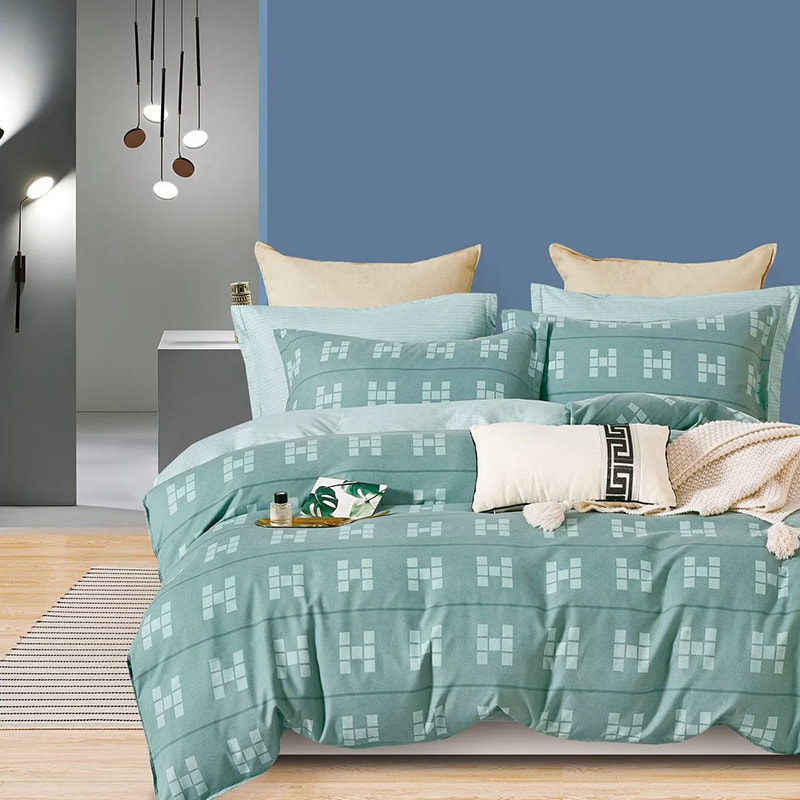
İşlev Güçlü sıcaklık: Yüksek gram ağırlık, düşük sıcaklıklı ortamlar için uygun iyi yalıtım performansı sağlar. Dayanıklı kırışıklık karşıtı: Yüksek yoğunluklu yapı aşınması ve yıpranma ...
Detaylara bakın -

İşlev Cilt dostu nefes alabilen: Doğal pamuklu lif yumuşak ve rahat, nefes için iyidir ve nem kullanımı için uygundur. Emilim ve terleme: İyi nem emilimi, kuru vücudu dayanıklı hissettir...
Detaylara bakın -
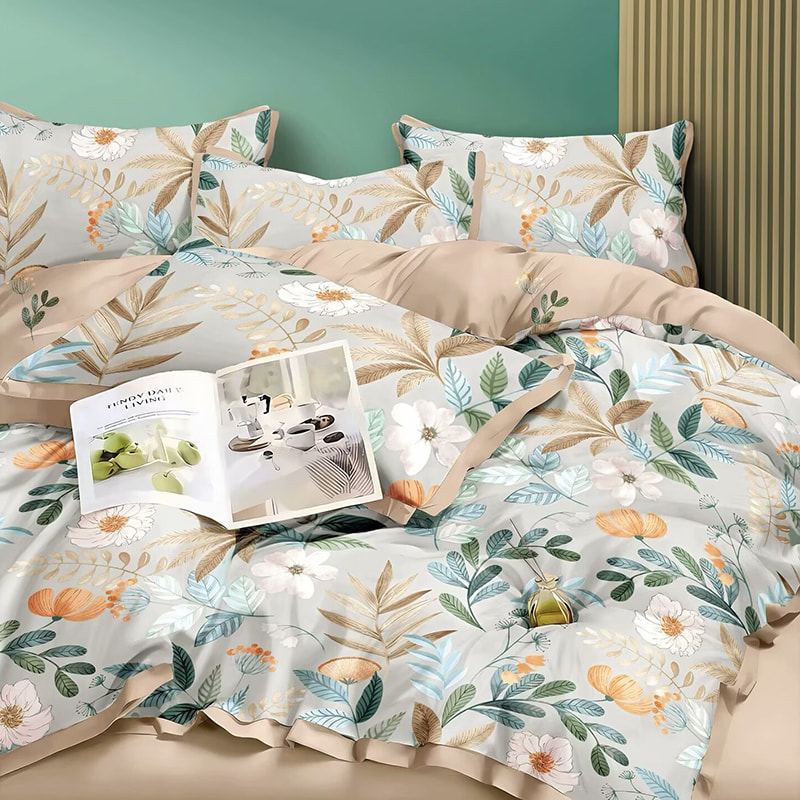
İşlev Daha hassas ve cilt dostu: 12868.13372'den yüksek, kumaş daha hassas ve yumuşak, dokunuş daha iyi ve daha fazla. Nefes alabilen: Yüksek yoğunluklu pamuk yapısı, hassas ciltler...
Detaylara bakın -
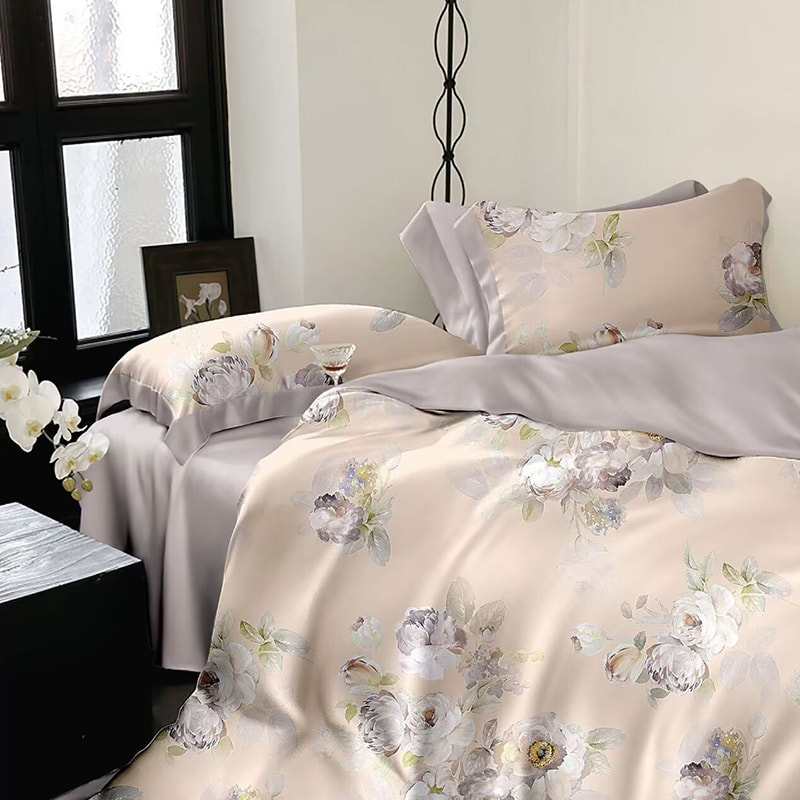
İşlev Aşırı cilt afinitesi: Günlük ipek lif yumuşak ve pürüzsüzdür, ipek gibi dokunur, nemin yakın kullanımı için uygundur. Emilim ve nefes alabilirlik: ...
Detaylara bakın -
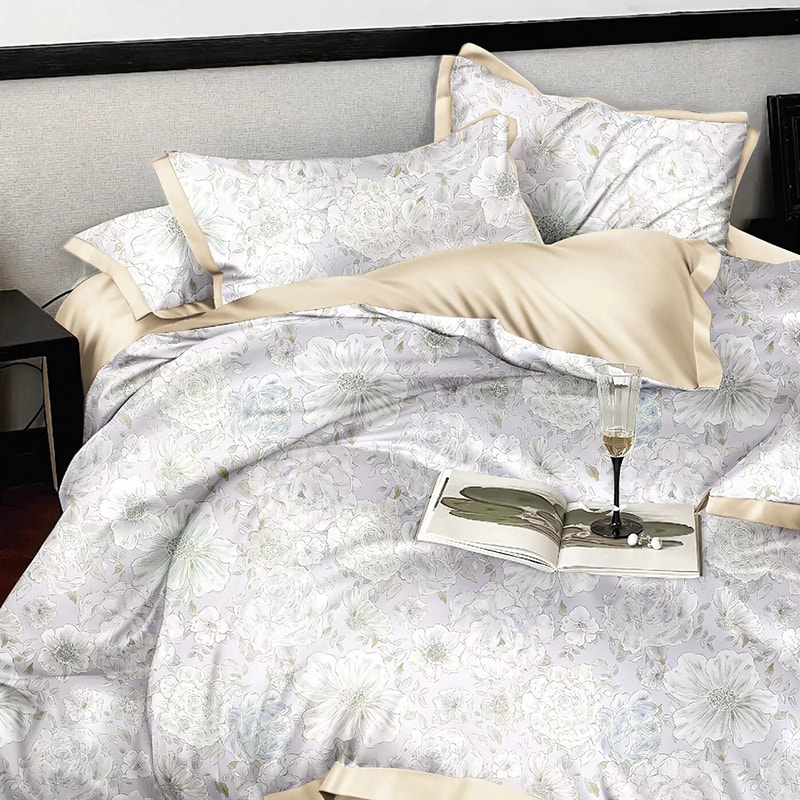
İşlev Daha hassas ve cilt dostu: 50'li yaşlarla karşılaştırıldığında, 60'ların ipek fiberi daha ince, daha yumuşak, daha pürüzsüz, yakın kullanım için daha rahat ve daha fazla nem...
Detaylara bakın -
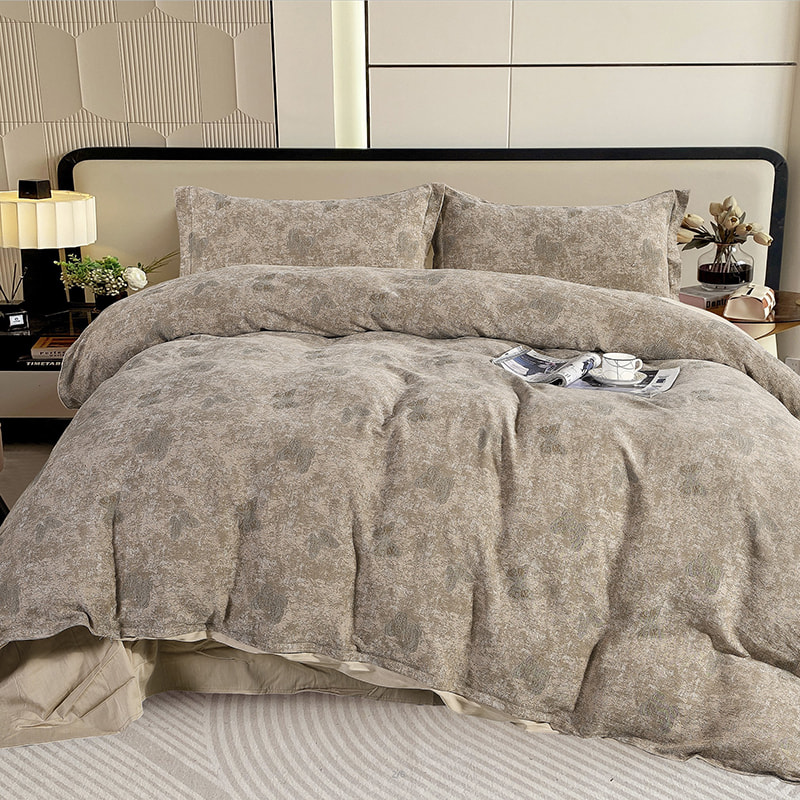
İşlev Lüks dokunuş: Fiber yumuşak ve pürüzsüzdür ve jakard işlemi üç boyutlu bir doku ekler. İpek Nem Emilim: Nem Emme performansı, antibakteriyel kullanım için uygun, kuru ve rahat tuta...
Detaylara bakın -

İşlev İnce Desen Performansı: Dijital baskı, yuvarlak net baskı, daha zengin renk, daha hassas desen, hızlı kurudan daha yüksek hassasiyettir. Bakımı kolay: Polyester fiber özellikleri d...
Detaylara bakın -
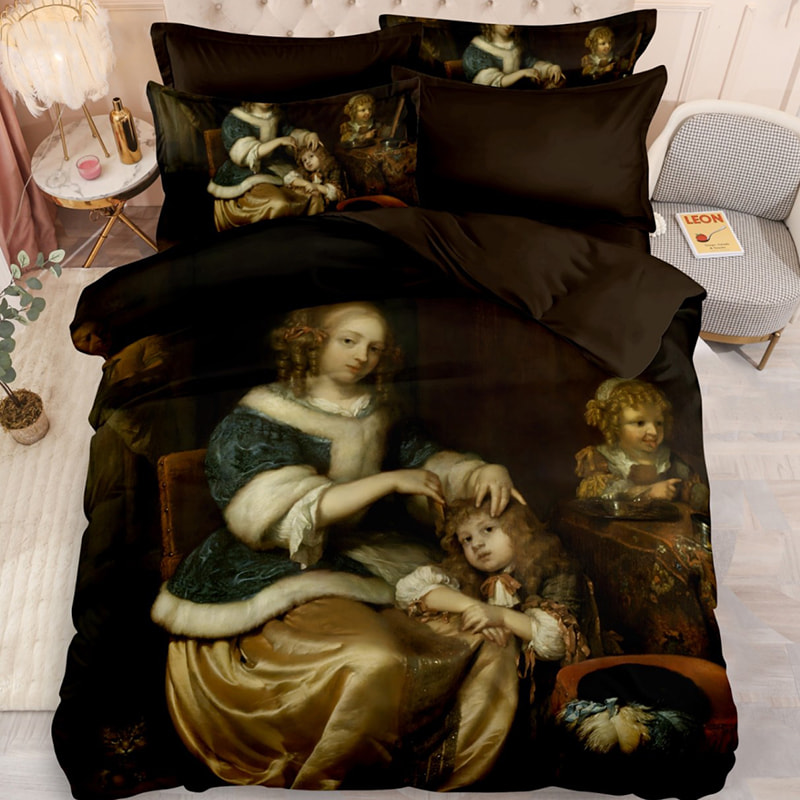
İşlev İnce Desen Performansı: Dijital baskı, yuvarlak net baskı, daha zengin renk, daha hassas daha yüksek hassasiyettir. Dayanıklı kırışıklık önleyici: 130g polyester fiber kumaş, dikey...
Detaylara bakın -
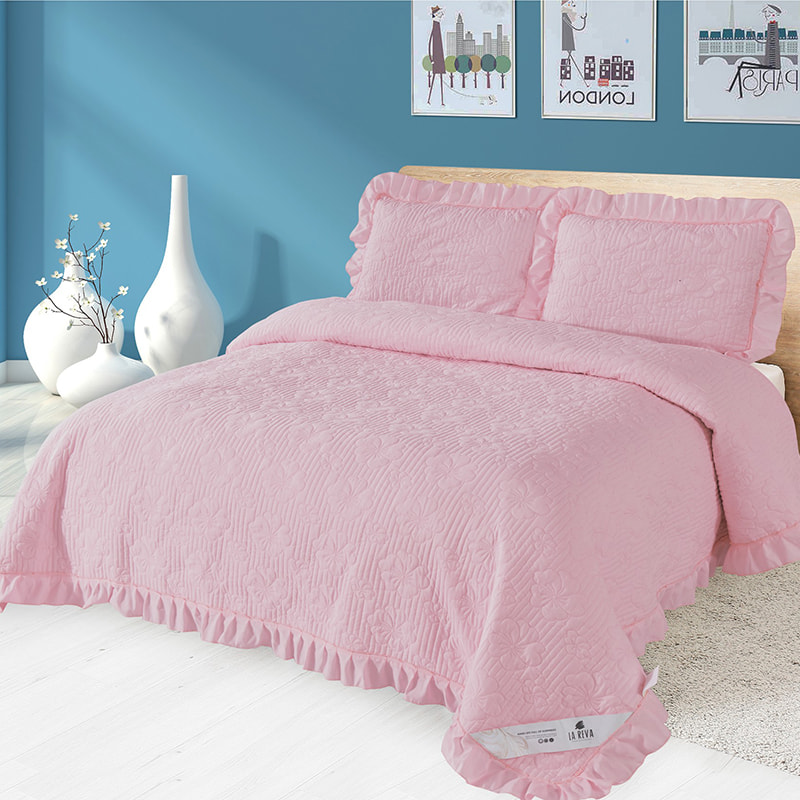
İşlev İnce ve hafif: Ultrasonik işlem pin delikleri veya kapitone iplik oluşturmaz ve kumaş ince ve pürüzsüzdür. Güçlü dekorasyon: Dantel unsurları, alanın güzelliğini artıran zarif ve r...
Detaylara bakın -
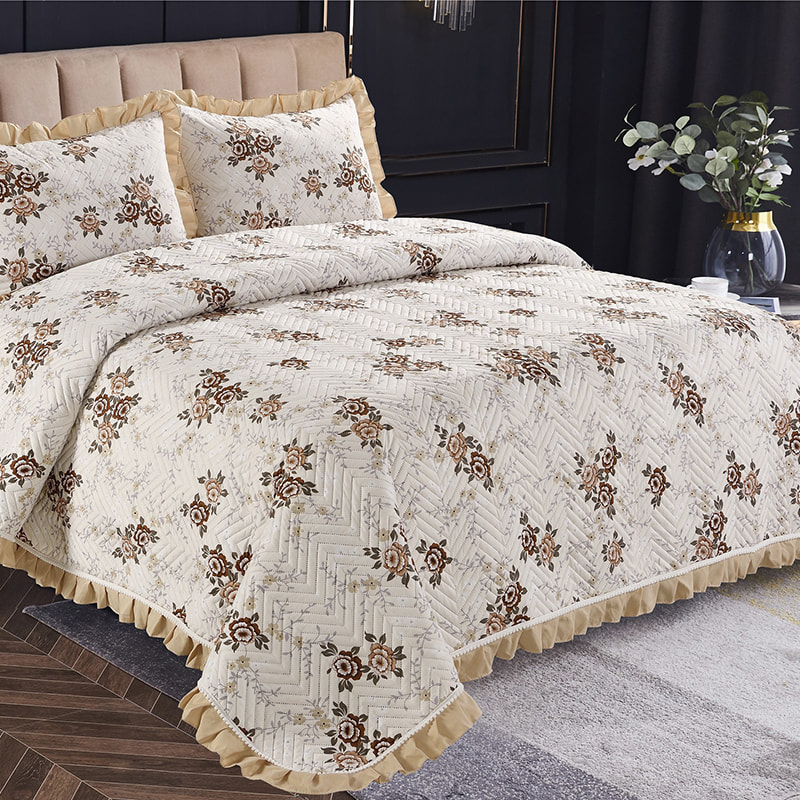
İşlev İnce ve hafif: Ultrasonik işlem bir iğne deliği veya kapitone ipliği oluşturmaz ve kumaş ince ve pürüzsüzdür. Güçlü dekoratif: baskı desenleri, alanın güzelliğini artıran bir sanat...
Detaylara bakın
